Commercial cleaning and food hygiene professionals in Brampton assist restaurants, food centers, baking facilities, warehouses, and food service operations maintaining standards. They decontaminate regularly touched surfaces, food preparation surfaces, equipment, floors, drains, restrooms, and food handling spaces using certified products, at correct dilution, and recording exposure duration. You need scheduled cleaning based on risk, volume, allergens, and regulatory assessments, plus verification records backing HACCP, quality reviews, and public health compliance. The following information outlines what strong sanitation programs must contain.
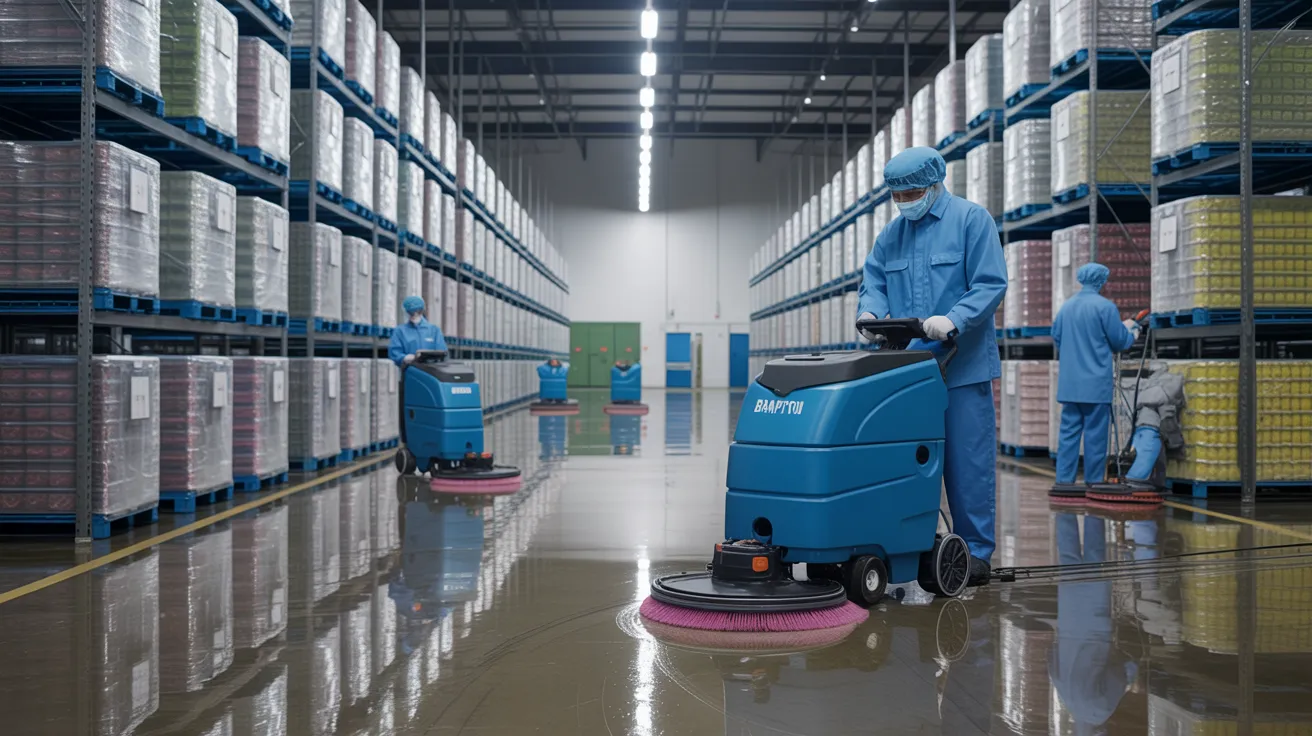
Important Highlights
- Sanitation experts from Brampton support restaurants, grocery departments, commissaries, warehouses, bakeries, schools, mobile vendors, and allergen-sensitive operations.
- They clean high-touch surfaces, food-contact equipment, kitchens, floors, drains, restrooms, and storage areas using area-specific procedures to prevent cross-contamination.
- Filing of finalization through checks, assessments, and action records confirms trained specialists have checked approved sanitizer dilution, appropriateness, and exposure duration.
- Hygiene plans need to adhere to risk, throughput, changeovers, releases, and regulations, with routine, periodic, and cyclical operations assigned by section.
- Insurance, color-categorized tools, HACCP, health regulatory knowledge, safety training training, references, and assessment-ready maintenance files are vital vendor characteristics.
Brampton Operations That Need Food Safety Cleaning: Which Ones?
Food safety cleaning is essential for any Brampton facility that deals with, keeps, prepares, packages, or provides food. Apply it to your establishment if it falls within public health review, food regulations, or HACCP protocols. This includes dining establishments, break rooms, distribution centers, market departments, meat shops, fish areas, stores, and food prep kitchens.
You also need proper hygiene cleaning in distribution centers, food processing plants, freezer facilities, commercial bakeries, educational nutrition programs, event spaces, and catering hubs. Mobile and temporary operations count too, including catering vehicles, market vendors, and seasonal stalls. If your staff handle ingredients, section prepared foods, heat finished items, or keep allergens stored, your facility needs documented cleaning protocols. In Brampton, hygiene isn't elective; it's part of legal, operational, and consumer protection compliance.
What Do Brampton Cleaning Experts Clean?
Professional cleaning teams specializing in Brampton sanitize touched surfaces, kitchen facilities, floors, and sanitary facilities in compliance with food safety regulations. Emphasis on these spaces stems from extreme cross-contamination risk, injury hazards, and compliance issues.
When you know their cleaning scope, you can ensure your operation's cleaning procedures satisfy operational and regulatory requirements.
High-Touch Surface Disinfection
establish how periodically each zone is sterilized
by changing cleaning materials, maintaining one-way cleaning patterns, and separating cleaning materials separate by zone
Kitchen Areas, Floor Surfaces, and Bathroom Spaces
Brampton cleaning professionals will address kitchens, floors, and restrooms since each space presents separate hygiene concerns, injury, and community health challenges. In industrial kitchens, you need degreasing on cook lines, equipment exteriors, drains, prep surfaces, and splash zones to minimize bacterial growth and pest activity.
Floor care that is recorded should equally be anticipated. Technicians scrub and extract buildup from tile grout, ceramic surfaces, and vinyl floors, then apply appropriate drying controls so you can reduce slip incidents and maintain code-compliant conditions. They also address entryways where moisture and debris migrate indoors.
Restroom cleaning involves disinfecting touchpoints, fixtures, partitions, dispensers, and waste containers, replenishing amenities and managing odor. They also maintain restaurant cleaning supply rooms where product storage, sink cleanliness, and drain systems impact daily sanitation standards and worker protection.
Food Safety Cleaning Significance for Brampton Businesses
Brampton operations require proper hygiene standards to fulfill compliance obligations and pass inspections. You also reduce cross-contamination by cleaning and sanitizing food-contact surfaces, equipment, and high-touch areas correctly. Most importantly, you safeguard community wellness by reducing the chance of food poisoning in your establishment.
Food Safety Regulations
Food establishments in Brampton face strict public health standards, making food safety cleaning essential to fulfilling health code requirements, defending patrons, and eliminating enforcement action. You must maintain sanitary food-contact surfaces, documented cleaning schedules, safe chemical management, and auditable operational standards that align with municipal and provincial inspection expectations.
Maintaining strong cleaning records proves due diligence for inspection audits and establishes that your practices are reliable, repeatable, and monitored.
Contamination Prevention
Following health code standards depends on your ability to prevent cross-contamination in daily food handling and cleaning. You must separate raw ingredients from ready-to-eat foods, disinfect work areas after use, and maintain separation of cleaning products from food. Well-defined guidelines decrease contamination chances and support consistent compliance during inspections.
Implementing allergen segregation helps keep priority allergens from contacting shared surfaces, containers, or equipment. Utilize separate boards, color-labeled items, and strict utensil labeling so workers don't combine products during preparation or service. Enforce hand hygiene following raw meat, seafood, eggs, or allergen-containing products. Refresh cleaning cloths often, and validate disinfectant levels using test strips. When your team learns these guidelines per shift, you create a cleaner, safer operation that satisfies Brampton's food safety needs daily.
Public Health Safeguarding
If food safety cleaning declines, you don't merely risk a failed inspection—you amplify the risk of foodborne illness affecting customers, staff, and the broader Brampton area. You also undermine your responsibility in safeguarding community wellness, especially in high-traffic food premises where contamination can spread quickly through surfaces, equipment, and touchpoints.
You must implement sanitation protocols that eliminate contaminants, effectively sanitize, and verify results. This entails adhering to exposure times, deploying approved disinfectants, maintaining records, and training employees to meet compliance standards. These initiatives promote pathogen control by reducing microbes before affecting food surfaces or hands. In Brampton, effective cleaning protects at-risk groups, curtails outbreak likelihood, and demonstrates accountability. When you adhere to proper protocols, you exceed requirements—you meaningfully lower danger and advance safer food handling across the region.
How Can Cleaning Practices Ensure Food Safety Compliance?
Embracing comprehensive cleaning schedules underpins food safety compliance by reducing contamination risks, preventing pathogen multiplication, and ensuring your facility complies with sanitation requirements under HACCP-based programs and public health regulations. You validate that food-contact surfaces remain visibly clean and microbiologically controlled, enabling documented preventive controls and inspection readiness.
Cleaning strategies additionally fortify allergen prevention by extracting residues that can trigger undeclared allergen exposure.
When Should You Plan Commercial Cleaning?
Cleaning plans work best when you set them according to risk factors, production rates, and legal standards rather than relying on a fixed calendar alone.
facility closures, weather-related soil accumulation, or pest-related pressure timeframes.
Finding Quality Brampton Cleaning Experts: A Guide
Begin by evaluating providers based on sanitation compliance standards—not solely on price alone. You should confirm that each organization comprehends CFIA, public health, and HACCP-aligned expectations applicable to your facility. Request insurance certificates, WHMIS compliance, staff training documentation, and oversight procedures. Assess whether technicians recognize cross-contamination hazards, chemical handling protocols, and verifiable sanitation records.
Additionally, you need to evaluate service dependability and accountability. Obtain references from food facilities in Brampton, then review service speed, corrective measures, and communication standards. Verify the company supports supplier audits and can deliver inspection-ready documentation when inspectors or external parties need proof. Verify equipment is maintained, colour-coded tools are applied correctly, and site-specific hazards are identified. A capable service protects compliance, product integrity, and your brand reputation.
What's included in a sanitation cleaning strategy?
Create a written plan that clearly outlines every sanitation duty, guideline, and expectation before production starts. You should list cleaning frequencies, approved chemicals, dilution rates, contact times, tools, and verification methods for each area, section, and machine. Don't forget to add pre-operational inspections, corrective actions, and employee training requirements.
Your plan should also address cross-contamination controls, waste handling, pest-prevention measures, and documented schedules for bathrooms, drainage systems, surfaces, and food-preparation zones. Detail how you'll keep raw and prepared foods apart, enable ingredient tracking, and ensure accurate allergen labeling through validated cleaning between product changes. You should assign accountability, keep signed records, and review results against regulatory standards, HACCP controls, and customer requirements. When gaps appear, update procedures immediately and re-educate staff.
Commonly Requested Questions
Can sanitation providers support overnight shifts in Brampton facilities?
Yes, you can set up cleaning services to manage nighttime operations in Brampton facilities. You'll arrange nighttime cleaning around operational windows, security controls, and personnel requirements. Providers generally establish nightshift logistics to minimize interruption, maintain standards, and log completed work. You should verify response times, oversight, lockout protocols, and waste management before service starts.
Do Brampton cleaning experts offer hazard containment solutions?
Yes, you can expect many Brampton cleaning experts to provide hazard containment solutions. They manage hazardous materials, assess risks, isolate affected areas, and begin swift cleanup to minimize risk and business interruption. You should verify arrival timeframes, training certifications, safety procedures, and disposal procedures. If your facility must comply with industry standards, choose a provider that documents incidents, maintains regulatory procedures, and enables compliance verification.
Will eco-friendly disinfectants sanitize safely surfaces contacting food?
Definitely, eco-friendly disinfectants perform safely on surfaces contacting food if you buy products labeled food safe that satisfy regulatory standards. You need to verify contact duration, dilution rates, and rinse protocols prior to application. Plant-derived products minimize harsh chemical exposure, but you should obtain proof of efficacy against specific pathogens. To preserve residue-free areas, stick to manufacturer instructions exactly and verify your cleaning agent meets relevant food safety standards.
Can cleaning plans change with production fluctuations?
Yes, you can customize sanitation programs for seasonal variations. You should adapt schedules, staff levels, disinfectants, and validation steps to correspond to production rhythms while upholding regulatory adherence. You'll minimize operational delays by organizing sanitation around production shifts, peak seasons, and usage patterns. You should explore now further modify procedural documents, employee training, and facility monitoring to capture transient threats, additional allergens, or elevated soil levels. Continuous reviews maintain your program functional.
Do commercial cleaners educate employees on hygiene standards?
Absolutely, professional cleaning companies regularly deliver staff training on sanitation best practices. Your staff gets instruction on proper chemical use, contact times, contamination avoidance, machine takedown, and paperwork. They generally match instruction with HACCP, GMP, and CFIA or regional health authority requirements. Many conduct sanitation audits to ensure adherence, pinpoint weaknesses, and reinforce corrective actions. This helps you maintain consistent procedures, pass inspections, and reduce food safety risks consistently.
Closing Remarks
When you work with Brampton food safety and commercial cleaning specialists, you don't just tidy up—you maintain your facility inspection-ready and your standards compliant. From kitchens to processing floors, every clean surface and maintained area helps reduce pest intrusion and prevent costly setbacks. By scheduling service at the right intervals and adhering to a detailed cleaning schedule, you safeguard staff, customers, and your reputation. In a tightly regulated environment, clean spaces aren't optional—they're fundamental to proper operations.